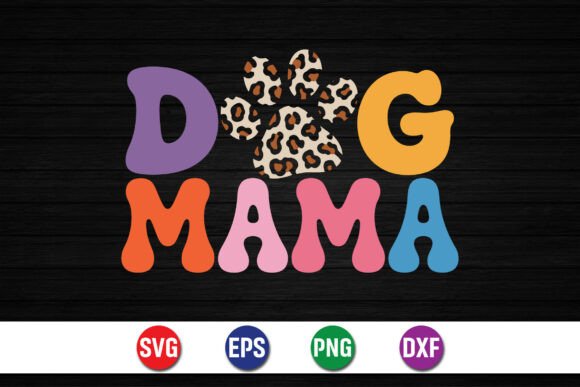
Reviewing the Dog Mama Leopard Paw Design
As a designer who spends more time staring at stitch maps than actual fabric, I have learned that not every cute graphic translates well into thread. When I first pulled up the Dog Mama Leopard Paw Design, my initial reaction was one of cautious optimism. The concept is undeniably marketable. The "dog mom" niche is saturated, yes, but it remains evergreen. However, adding a trendy leopard print element introduces a layer of complexity that can make or break the final finished product. I wanted to see if this design held up under the scrutiny of real-world embroidery conditions, specifically for those of us running small shops or creating personalized gifts.
First Impressions and Visual Personality
The design strikes a balance between playful and chic. The lettering is colorful and approachable, avoiding the stiff, formal fonts that often plague generic T-Shirt Designs. Instead, it feels hand-drawn and organic, which appeals to the modern crafter. The leopard print paw is the standout feature. In digital Graphics, leopard spots are easy to render with perfect gradients. In embroidery, however, they require careful management of thread colors and stitch types to avoid looking like a muddy blob.
The mood here is affectionate but stylish. It does not scream "novelty gift" in a cheap way; rather, it suggests a boutique item you might find in a local pet store or a high-end craft fair. For an Etsy seller, this visual personality is crucial. It needs to stand out in a thumbnail image while still looking professional when viewed up close. The layout appears balanced, with the text and paw interacting without overcrowding each other, which is a good sign for stitching clarity.
Real-World Application: The Tote Bag Test
To truly evaluate this machine embroidery design, I imagined applying it to a canvas tote bag. This is a popular small shop product because it is low-risk and high-visibility. On a sturdy cotton canvas, the design has enough surface area to breathe. The leopard spots, likely rendered using a combination of fill stitch and perhaps some running stitch outlines, would have room to show definition.
If I were producing this for a client, I would consider the color palette carefully. The description mentions "colorful playful lettering." On a natural beige tote, bright pastels or bold primaries would pop. However, on a dark navy bag, I would need to ensure the thread contrast is sufficient. This is where many designers fail. They assume the digital preview matches the stitched reality. It does not. A printable mockup can lie about how light threads appear on dark fabrics. I always recommend stitching a test sample on scrap fabric of the same weight and color before committing to the final embroidery project.
Sweatshirts and Custom Apparel
Moving from totes to apparel, let us consider sweatshirt embroidery. This is a massive category for craft business owners, especially in the fall and winter. The soft texture of fleece or French terry cloth presents a challenge. The pile of the fabric can swallow small details. If the leopard spots are too small or the stitch density is too low, the pattern will disappear into the fuzz of the sweatshirt.
For this application, I would look closely at the digitizing. Are the spots large enough to be distinct? Is there enough underlay to prevent the fabric from showing through? If the design relies heavily on satin stitch for the lettering, it should hold up well against the textured background. However, if the lettering is thin or intricate, it might get lost. This design seems robust enough for a chest placement on a hoodie, offering a subtle yet recognizable nod to pet love without being overly loud.
Technical Considerations and Potential Pitfalls
While the aesthetic is strong, there are areas where the Dog Mama Leopard Paw Design requires careful handling. Not every surface is friendly to detailed prints.
- Small Hoop Sizes: If you attempt to shrink this design to fit a 4x4 hoop for a baby onesie or a cap, you risk losing the definition of the leopard spots. Tiny details often merge when scaled down. Always check the minimum recommended size.
- Textured Fabrics: As mentioned with sweatshirts, high-pile fabrics can obscure detail. Use a cut-away stabilizer to provide a firm foundation, ensuring the stitches sit on top of the fabric rather than sinking in.
- Stretchy Materials: Embroidering on stretchy knits requires proper stabilization. Without it, the design may pucker or distort, ruining the clean lines of the lettering.
- Dark Fabrics: If the design includes light-colored threads for the leopard spots, ensure your machine tension is perfect. Loose tension on dark fabric can reveal the bobbin thread or the fabric underneath, breaking the illusion of the print.
For caps and curved surfaces, the design’s width is a critical factor. A wide design can cause wrapping issues on the front panel of a hat. If the design is too wide, it may distort around the curve. I would measure the flat area of the cap before hooping to ensure the design sits comfortably within the usable space.
Commercial Value and Brand Consistency
For commercial embroidery professionals, consistency is key. This design offers a versatile asset that can fit into various product lines. It works as a standalone piece for a personalized gift or as part of a larger collection for a boutique brand. The trendiness of the leopard print adds a fashion-forward element that elevates it above standard clipart.
When listing this as a digital embroidery file or selling finished items, transparency about the design’s limitations builds customer trust. Mentioning that it looks best on medium-to-heavy weight fabrics shows expertise. It helps manage expectations and reduces returns or complaints. Furthermore, using high-quality design assets like this enhances your portfolio. It signals to buyers that you care about the details, from stitch count to color harmony.
Practical Designer Notes
Before you load this embroidery file into your machine, take these steps:
- Check the License: Confirm whether the design allows for commercial use. If you are an Etsy seller, you need to know if you can sell finished products made with this design.
- Test Stitch Density: Run a test on similar fabric. Check if the density is too high, which can cause perforation, or too low, which leaves gaps.
- Contrast Check: View the design in black and white. If the elements blend together in grayscale, they will lack definition in real life. Adjust thread colors if necessary.
- Stabilizer Selection: Match your stabilizer to your fabric. Tear-away for stable wovens, cut-away for knits, and wash-away for delicate or textured materials like towels.
In conclusion, the Dog Mama Leopard Paw Design is a strong contender for your next holiday embroidery run or everyday custom apparel line. It balances trendiness with timeless appeal. However, its success depends entirely on your technical execution. Respect the fabric, choose the right stabilizer, and do not skip the test stitch. When done correctly, this design delivers a polished, professional look that customers will appreciate. It is not just a graphic; it is a tool for building your brand’s reputation for quality and style.